Within the foundations of Islam, Zakat stands as one of the most powerful and transformative obligations placed upon the believer. Commonly translated as “charity,” Zakat is far more profound than voluntary generosity. It is a divinely mandated duty, a mechanism for social justice, and a means of spiritual purification. As the Third Pillar of Islam, Zakat ranks alongside Shahada (faith) and Salah (prayer), underscoring its critical importance in a Muslim’s life.
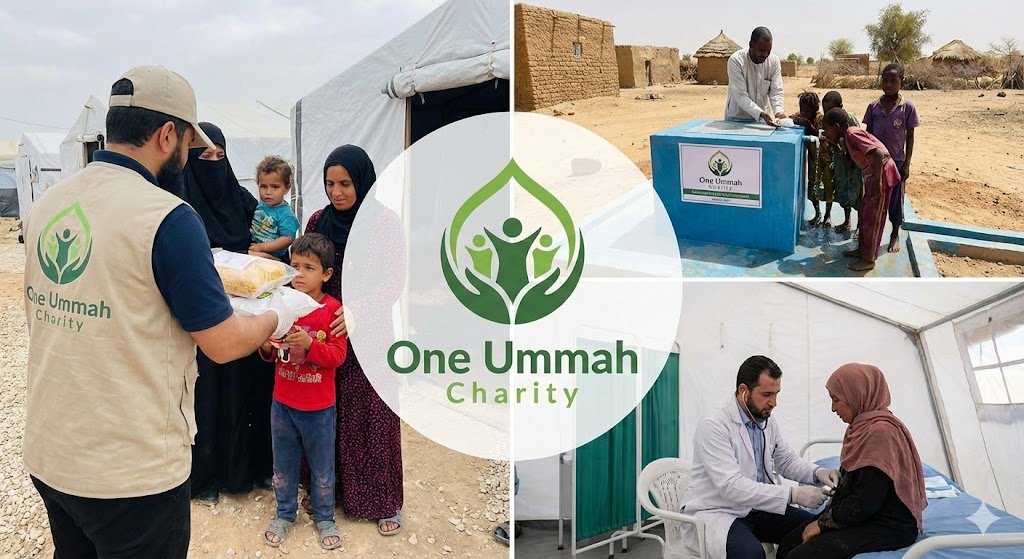
Zakat is not merely a financial calculation—it is a declaration of faith, responsibility, and compassion. It affirms the rights of Allah over our wealth and the rights of the poor within our communities. Trusted organizations such as One Ummah help Muslims fulfill this sacred responsibility by ensuring their 2.5% mandatory Islamic charitable contribution reaches those most in need across the world.
This in-depth guide explains everything you need to know about Zakat—from its meaning and conditions to the Nisaab, Hawl, eligible assets, calculation methods, and the spiritual impact it has on both the giver and the receiver.
What Is Zakat? A Clear and Complete Definition
To understand Zakat properly, we must explore both its linguistic meaning and its Islamic legal definition.
Linguistic Meaning of Zakat
The term Zakat (Zakah) comes from the Arabic root z-k-w, which conveys meanings such as growth, increase, blessing (barakah), and purification (taharah). This dual meaning reflects a divine truth: giving Zakat does not reduce wealth; instead, it purifies what remains and invites blessings into one’s provision.
By separating a portion of wealth for Allah, the believer cleanses their earnings from greed, selfishness, and excessive attachment to material possessions.
Shar’i (Islamic Legal) Definition
In Islamic law, Zakat refers to a fixed portion of specific types of wealth that must be given to designated categories of recipients, once defined conditions are met. Unlike Sadaqah, which is voluntary, Zakat is compulsory for every eligible Muslim.
As clearly stated by One Ummah, Zakat is:
“An act in which one pays 2.5% of their annual savings to those in need.”
This obligation ensures wealth circulates within society, rather than accumulating among the affluent alone.

Who Is Required to Pay Zakat? Understanding the Conditions
Zakat is only obligatory when two essential conditions are fulfilled: Nisaab and Hawl.
1. Nisaab: The Minimum Wealth Threshold
The Nisaab is the minimum amount of wealth a Muslim must own before Zakat becomes obligatory. If your total net assets fall below this threshold, you are not required to pay Zakat—and may instead qualify to receive it.
There are two recognized Nisaab standards, based on precious metals:
-
Gold Nisaab: 87.48 grams of gold
-
Silver Nisaab: 612.36 grams of silver
Because market prices fluctuate, the monetary value of the Nisaab changes daily.
Current Example Nisaab Values:
-
Gold Nisaab: Approximately £9,079.27 (based on £103.79 per gram)
-
Silver Nisaab: Approximately £926.36 (based on £1.51 per gram)
Many scholars recommend using the Silver Nisaab, as it allows more Muslims to qualify for Zakat payment—maximizing benefit to the poor. However, One Ummah may use the Gold Nisaab in certain contexts, making it essential to check live Nisaab values before paying.
2. Hawl: Completion of One Lunar Year
Owning wealth above the Nisaab for a short time does not make Zakat due. The second condition is the Hawl, meaning one full Islamic (lunar) year—354 days—must pass while your wealth remains above the Nisaab.
-
If your wealth drops below the Nisaab during the year, the Hawl resets.
-
If your wealth is above the Nisaab at the start and end of the lunar year, Zakat is due on the entire amount owned at year’s end.
Zakatable Assets: What Wealth Is Subject to Zakat?
Zakat applies to surplus wealth, not personal necessities. Below is a clear breakdown of Zakat-applicable assets:
1. Cash and Savings
All accessible money is zakatable, including:
-
Bank balances
-
Cash at home
-
Savings for Hajj, weddings, or property
Purpose does not exempt money from Zakat if it has been held for one lunar year.
2. Gold and Silver
Zakat is due on:
-
Gold and silver jewelry
-
Coins and bars
-
Stored or worn items
Note: While scholars differ on jewelry worn daily, many advise paying Zakat on it to remain cautious—especially when the amount is significant.
3. Shares and Investments
-
Shares bought for resale: Zakat on full market value
-
Dividend-based investments: Zakat may apply to dividends or zakatable company assets
4. Money Owed to You
If you have lent money and expect repayment, it is included in your Zakat calculation.
Bad debts are excluded until recovered.
5. Business Assets
Zakat is not due on business equipment, but is due on trading stock, inventory, and business cash.
6. Property
-
Primary residence: No Zakat
-
Property for resale: Zakat on full market value
-
Rental property: Zakat on saved rental income only
7. Cryptocurrency and Digital Assets
Cryptocurrencies such as Bitcoin are considered wealth and are fully zakatable at current market value.
How to Calculate Zakat: Step-by-Step Method
Step 1: Add All Zakatable Assets
Cash + Gold + Silver + Shares + Crypto + Business Stock + Money Owed to You
Step 2: Deduct Immediate Liabilities
Deduct short-term debts such as:
-
Rent due
-
Utility bills
-
Immediate business expenses
(Long-term debts like mortgages are treated differently and not deducted in full.)
Step 3: Compare With Nisaab
If your net total exceeds the Nisaab, Zakat is due.
Step 4: Pay 2.5%
Zakat = Total Net Wealth × 0.025
Example:
-
Cash: £5,000
-
Gold: £4,000
-
Total: £9,000
Zakat Due: £225
As explained by One Ummah:
“If you had £5,000 saved for one year, you would pay £125.”
To avoid errors, use the One Ummah Zakat Calculator, which guides you step-by-step through all asset categories.
The Spiritual and Social Power of Zakat
Spiritual Purification (Taharah)
Zakat cleanses the heart from greed and reminds believers that true ownership belongs to Allah alone.
Growth and Blessing (Nama)
The Prophet ﷺ affirmed that charity never decreases wealth. Zakat invites barakah, whether materially or spiritually.
Social Justice
Zakat redistributes wealth, supports orphans, widows, debtors, and the needy, and prevents economic imbalance.
Why Pay Your Zakat Through One Ummah?
100% Donation Policy
Every penny of your Zakat goes directly to eligible recipients—no deductions for administration.
Global Impact
From food aid to water wells and orphan sponsorships, One Ummah delivers life-saving support worldwide.
Transparency and Trust
-
Charity Number: 1168565
-
Offices: Middlesbrough, Birmingham, London
-
Support Line: 0300 111 3 111
Frequently Asked Questions About Zakat
Is Zakat compulsory?
Yes. It is a pillar of Islam and a binding obligation.
When should Zakat be paid?
Once Nisaab and Hawl conditions are met. Many choose Ramadan for greater reward.
Who receives Zakat?
The Qur’an specifies eight eligible categories. One Ummah distributes strictly within these guidelines.
How often is Zakat paid?
Annually, every lunar year.
What if I missed past Zakat payments?
Missed Zakat is a debt owed to Allah and must be paid immediately for each missed year.
Conclusion: Fulfill Your Zakat Today
Zakat is not just a financial duty—it is a spiritual transformation. It purifies wealth, uplifts communities, and strengthens your connection with Allah.
Check today’s live Nisaab rates, calculate your Zakat accurately, and fulfill your obligation with confidence.
Join thousands who trust One Ummah for their Zakat. With a 100% Donation Policy, your contribution purifies your wealth and saves lives.
Donate Now. Purify your provision. Empower the Ummah.
For full details, calculators, and banking information, visit the One Ummah Zakat page or contact their support team.