
Calculating your Zakat is far simpler than many people assume. By organizing your wealth into clear categories, the Zakat calculation process becomes straightforward and stress-free. With the right approach, you can confidently determine how much Zakat you owe and fulfill this important Islamic obligation correctly.
Breaking Down the Zakat Calculation Process
To make Zakat calculation easy, your wealth is divided into two main areas:
-
Zakatable assets – such as gold, silver, cash, savings, investments, and business assets
-
Deductible liabilities – including money you owe and other payments that are due
Once you calculate the total value of your zakatable assets and subtract eligible liabilities, you will arrive at your net assets. This final figure determines whether Zakat is due.
Determining If You Meet the Nisab Threshold
After calculating your net assets, the next step is to check whether this amount is equal to or above the nisab threshold. If your wealth meets or exceeds the nisab, Zakat becomes obligatory.
Your Zakat payable is then calculated based on this net value.
Using a Zakat Calculator
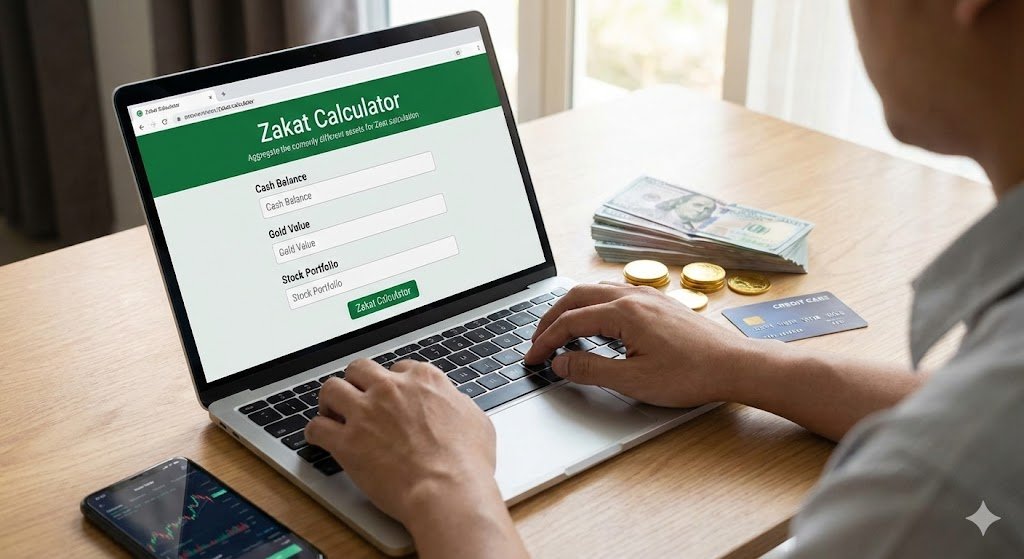
A Zakat calculator makes the process quick and accurate. Simply enter all zakatable assets that have been in your possession for one full lunar (Islamic) year. The calculator will automatically work out the total Zakat owed, saving time and reducing the risk of errors.
What Is Nisab?
The nisab is the minimum level of wealth a Muslim must own before becoming eligible to pay Zakat. It is also known as the nisab threshold.
Nisab is calculated using the market value of gold or silver, both of which fluctuate regularly.
Current Nisab Value (Live Estimate)
-
Silver nisab (612.36 grams): approximately $1,185.58
-
Gold nisab (87.48 grams): approximately $11,775.76
You may use either value when determining eligibility, depending on your preferred scholarly opinion.
How Is Zakat Calculated in 2026?
You can calculate your Zakat in 2026 easily by using a trusted and up-to-date Zakat calculator.
Zakat is paid once every lunar year by eligible Muslims and becomes due as soon as one full Islamic year has passed since your wealth first met or exceeded the nisab.
The process involves:
-
Adding together all zakatable assets (gold, silver, cash, savings, business assets, and more)
-
Subtracting allowable liabilities
-
Checking whether your net assets meet the nisab threshold
-
Paying 2.5% of qualifying wealth as Zakat
Is Zakat Paid on Income or Savings?
Zakat is not limited to income alone. Instead, it is based on the total value of zakatable assets you own.
Every sane, adult Muslim who possesses wealth above the nisab threshold must pay 2.5% Zakat on that wealth. Zakatable assets include:
-
Gold and silver
-
Cash and savings
-
Business assets
-
Investments and shares
All assets must have been owned for one full lunar year to be included.
A Zakat calculator can help you confirm whether you are eligible and determine the correct amount based on your personal situation.
How to Calculate Zakat on Cash
Calculating Zakat on cash is simple and transparent:
-
Add up all the cash you have owned over the past lunar year, including:
-
Money in bank accounts
-
Cash kept at home
-
Money owed to you
-
-
Subtract:
-
Cash you owe to others
-
Outstanding debts and due expenses
-
-
If the remaining amount exceeds the nisab threshold, Zakat is due.
Zakat on cash is calculated by multiplying your net cash amount by 2.5%.
Important: Cash Zakat must be calculated alongside your other zakatable assets, including gold, silver, investments, shares, and business holdings.
Calculating Debts and Liabilities for Zakat
Certain debts and liabilities can be deducted from your zakatable assets when calculating Zakat. These include:
-
Debts payable within the next 12 months
-
Up to 12 months of instalments for long-term debts
-
Overdue payments and arrears
However, some liabilities cannot be deducted, such as:
-
Bills and expenses that are not yet due
-
Debts not payable within the next 12 months
-
Interest payments (riba), which are not permissible to deduct
For mortgages, student loans, and other long-term debts, only the amounts that are overdue or due in the immediate future should be deducted.
Zakat on Money Owed to You
Zakat is also payable on debts owed to you if you reasonably believe they will be repaid. This includes loans given to family members or friends that you expect to receive back.
Final Thoughts on Zakat Calculation
By organizing your assets, understanding nisab, and using a reliable Zakat calculator, you can calculate your Zakat accurately and with confidence. This ensures your obligation is fulfilled correctly while maximizing the spiritual reward of this essential pillar of Islam.